
Sports physiotherapy · Clondalkin, Dublin 22
Sports Physio Dublin
Get a clear diagnosis, a practical recovery plan and progressive rehabilitation built around the sport you want to return to.
Start with the right assessment
Injury recovery is more than waiting for pain to settle.
Whether your injury happened in a tackle, during a run, in the gym or gradually over several weeks of training, your assessment should establish what is irritated, what you can safely keep doing and what needs to improve before you return fully.
Treatment selected for your injury
One plan. The right combination of care.
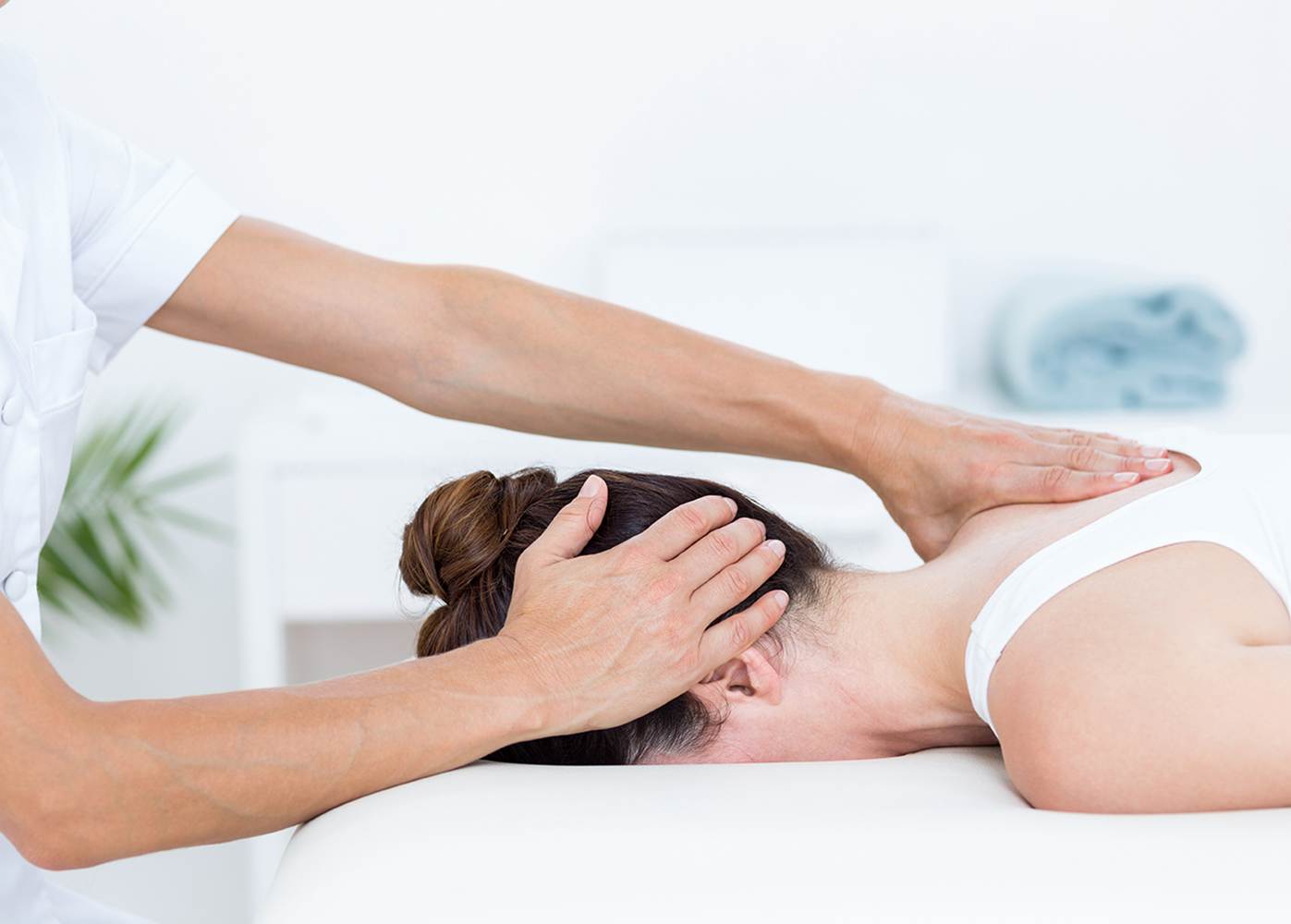
Your physiotherapist may combine hands-on treatment with progressive loading and sport-specific rehabilitation. The treatment plan depends on your diagnosis, stage of recovery, symptoms and sporting goals.
Sports physiotherapy
Assessment and treatment for acute, recurrent and overuse injuries. We focus on reducing symptoms, restoring movement and rebuilding the physical capacity your sport requires.
Sports massage
Targeted soft-tissue treatment for muscular tightness, post-training soreness and restricted movement.
Deep tissue massage
Focused manual treatment for deeper muscular tension where appropriate within your recovery programme.
Dry needling
A clinical option for selected muscular pain and trigger points following assessment and with your consent.
Laser therapy
Low-level laser therapy may be combined with physiotherapy for selected painful soft-tissue presentations.
Shockwave therapy
A treatment option for certain persistent tendon problems, combined with progressive rehabilitation.
Exercise rehabilitation, strength and conditioning
Rehabilitation progresses from the movements you can manage today towards the strength, speed, control and repeat effort required for training and competition.
Every treatment has indications and limitations. Your physiotherapist will recommend treatments only when they suit your clinical findings and stage of recovery.
A route back to sport
From first assessment to return to play.
Feeling better is important. Returning safely also requires confidence in how the injured area responds to load, speed, fatigue and the movements your sport demands.
Start with an assessment →-
01
Settle and protect
Clarify the injury, manage aggravating loads and maintain safe movement.
-
02
Restore movement
Recover useful movement, control and everyday function.
-
03
Rebuild physical capacity
Progress strength, power, balance and tolerance to repeated effort.
-
04
Prepare for sport
Introduce running, change of direction, jumping, contact or skill demands as appropriate.
-
05
Return with confidence
Use your functional progress and sporting demands to guide the return-to-play decision.
Sports injuries we assess
Find the problem keeping you out.
Select an area below to explore some of the common reasons athletes attend our sports physiotherapy clinic. Symptoms can overlap more than one category, so an assessment is the best place to begin.
Knee pain and ligament rehabilitation
Knee symptoms can follow a sudden twist, contact injury, change in training load or irritation that develops over time. Assessment considers pain, swelling, movement, strength, control and the activities that provoke symptoms.
Running-related knee and hip pain
We consider your symptoms alongside training changes, recovery, mobility, strength and running-specific load. The aim is to keep you active where possible while rebuilding tolerance.
Hamstring and muscle injuries
A muscle injury often needs more than rest. We assess function, monitor symptom response and progressively rebuild strength, speed and exposure to the movements that caused the problem.
Elbow pain and tendon problems
Elbow pain can affect racquet sports, golf, gym training and everyday gripping. Treatment commonly combines load modification, progressive strengthening and selected clinical treatments.
SPORT
Sports injuries in children and teenagers
Young athletes need an age-aware approach.
Children and teenagers are still growing. Their pain can relate to an acute injury, rapid growth, a sudden increase in training or repeated loading across school, club and representative sport.
A parent or guardian should attend the assessment for younger athletes.
Why athletes choose DC Physiotherapy
Clinical care with a clear end goal.
A diagnosis you understand
We explain the likely problem, contributing factors and what the next phase of recovery involves.
Treatment with a purpose
Hands-on treatment and technology support a wider plan that restores movement and physical capacity.
Progress you can measure
Your programme advances around function, strength, symptoms and meaningful sporting goals.
Built around real life
Morning, evening and Saturday appointments with free parking at our Dublin 22 clinic.
Ready to move forward?
Book your sports injury assessment.
Tell us what happened, what sport you want to return to and what is currently holding you back.
Frequently asked questions
Before your first appointment.
Unsure which appointment you need? Call the clinic and we will help you choose.
Do I need a referral to see a sports physiotherapist? +
No. You can book a sports physiotherapy assessment directly. Bring any relevant scan, specialist or surgical reports if you have them.
Do you treat running injuries? +
Yes. Your assessment may include the hip, knee, ankle, foot, strength, training load and movement patterns relevant to running.
Can you help with ACL rehabilitation? +
Yes. Rehabilitation is progressed around your stage of recovery, surgical guidance where applicable, strength, control and the demands of your sport.
Which is better, sports massage or sports physiotherapy? +
Sports massage may help muscular tightness and soreness. Sports physiotherapy includes assessment, diagnosis and a wider rehabilitation plan, making it the appropriate starting point when pain, injury or loss of function is present.
Do you treat sports injuries in children and teenagers? +
Yes. We assess young athletes with attention to growth, training load, symptoms and the requirements of their sport. A parent or guardian should attend for younger athletes.
Will I receive rehabilitation exercises? +
Where appropriate, you will receive exercises matched to your current capacity and recovery goals. These are progressed as movement, strength and sporting tolerance improve.

This term is heard quite often. “Sports Injury” refers to a wide array of conditions from joint dislocations, bone fractures, tendon tears, or ligament strains to simpler forms of injury such as muscle strains and bruising. A sports physiotherapist is best placed to treat sports injuries.
How Are Sports Injuries Treated?
The treatment options entirely depend on the severity of injuries, and healing timings also differ from case to case. For instance, typically, a muscle will heal quicker than a fractured bone. Similarly, ligament tears heal quicker than cartilages.
In broader terms, sports injuries are classified as either intrinsic or extrinsic injuries. A twist or a contact/impact with another player as well falling causes extrinsic injuries. To some extent, these injuries are unavoidable regardless of a player’s fitness, training, and conditioning levels.
In such a case, treatment options are targeted towards quick repair and ensuring that there are no residual or long-term effects as a result of injury. Extrinsic injuries are generally easier to diagnose and the treatment is quite straightforward.
On the other end of the spectrum, there are intrinsic injuries. These injuries result from straining or pulling an area either during active playing or post-game due to resulting soreness. Typically, in intrinsic injuries, there is no incident to report that specifically caused the injury.
Groins, hamstrings, shoulder, lower back, and tendonitis are usually the areas involved in intrinsic injuries. These injuries are relatively complex to manage, not because of the severity of the injury but because a comprehensive analysis of the underlying cause of injury must be determined first.
If the underlying cause of the injury is not properly diagnosed, patients can develop chronic conditions that can impair their sports ability as well as the general quality of life. Due to their less severe appearance, intrinsic injuries are overlooked initially until the injury progresses and complications start to arise, one after another.
For such a case, the Sports Physiotherapist has to play a twofold role: Initially, the acute pain should be treated by employing a combination of anti-inflammatory modalities, manual therapy, providing protection to affected areas, maintaining range of motion, and muscle strength.
What our patients say
Trusted by patients across Clondalkin and Dublin
Read experiences shared by patients who came to DC Physiotherapy for physiotherapy, rehabilitation and non-surgical spinal decompression.
Individual experiences and treatment responses vary. An assessment is needed to determine suitable care.
What Our Patients Say...


