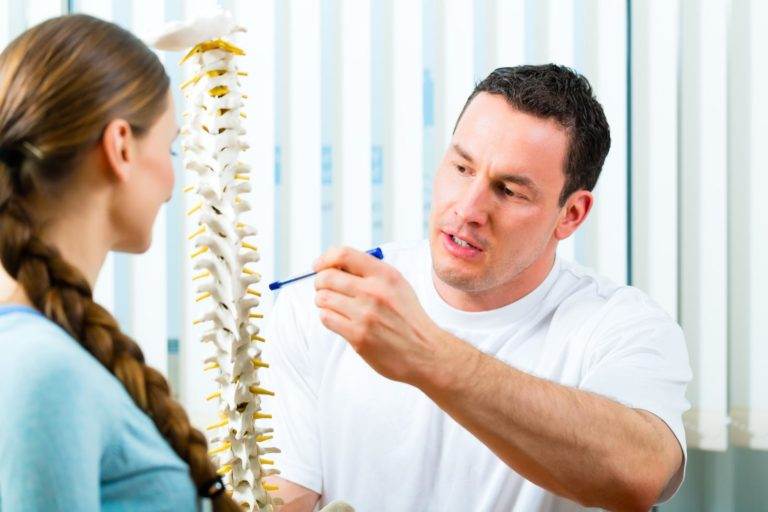
Spinal Decompression Dublin Ireland
Low back or neck pain can be debilitating, affecting quality of life and limiting the activities you love. Non-surgical spinal decompression at DC Physiotherapy offers a conservative treatment option for people seeking help with sciatica, low back and neck pain.
Sciatica is pain that radiates along the sciatic nerve, which runs from the lower back down the back of each leg. If pain, numbness or tingling is affecting your day, book an assessment to discuss whether decompression may be suitable for you.
Physiotherapy-led care
Assessment and treatment plan
Online or by phone
Spinal Decompression for Sciatica, Low Back & Neck Pain
Sciatica can be caused by various factors, including herniated discs, spinal stenosis or degenerative disc disease, which may compress or irritate the sciatic nerve. Traditional treatments such as medication, physical therapy and corticosteroid injections may provide temporary relief. Non-surgical spinal decompression offers a targeted approach to addressing contributing spinal factors as part of a broader care plan. If neck symptoms are your main concern, explore our neck pain treatment page as well.
Long-term improvement often depends on understanding and addressing the factors contributing to your symptoms, rather than focusing only on short-term relief.
How decompression works
During decompression therapy sessions, patients are positioned on a specialised traction table. The table applies a controlled, gentle stretching force to create space between the vertebrae and reduce pressure on affected discs and nerves.
This reduction in pressure may help ease irritation and symptoms such as pain, numbness and tingling. The treatment is adjusted to the person and forms part of an individual physiotherapy plan.
Benefits of Non-Surgical Decompression
Non-surgical spinal decompression is a non-invasive treatment option for people who want to explore conservative care before considering more invasive approaches, where appropriate.
Targets spinal loading
Decompression aims to reduce pressure on spinal discs and nerves that may contribute to back pain or sciatica symptoms.
Supports movement and posture
Gently stretching and realigning the spine may help correct postural imbalances, reduce mechanical stress on nerves and lower the likelihood of sciatica flare-ups.
Part of conservative care
It is a non-invasive option for people who may not be candidates for surgery or prefer conservative alternatives. Unlike surgical interventions, it does not involve an operation or an extended recovery period, and many people can resume daily activities with minimal downtime.
Understanding Spinal Decompression
Non-surgical decompression is a non-invasive treatment that aims to alleviate back pain by gently stretching the spine and relieving pressure on discs and nerves. It can be performed manually or with specialised equipment such as traction tables or decompression machines. By creating space between the vertebrae, spinal decompression aims to support disc hydration, nutrient exchange and a reduction in inflammation.
The Benefits of Spinal Decompression
One of the potential advantages of non-surgical decompression is its focus on spinal factors that may contribute to back pain, rather than only masking symptoms. Unlike approaches focused solely on temporary pain management, decompression can be used within a wider plan aimed at longer-term relief and improved function. Treatment is tailored to the individual and their assessment findings.
Not sure if decompression is right for you?
Start with an assessment and discuss your symptoms and treatment options with our team.
Who Can Benefit from Spinal Decompression?
Spinal decompression may be considered for people experiencing a range of spinal conditions. Suitability depends on a full assessment, your symptoms and your health history.
Herniated discs
Disc changes may contribute to back or neck pain and nerve-related symptoms.
Bulging discs
Assessment can help determine whether disc-related symptoms may respond to this approach.
Degenerative disc disease
Decompression may be considered as one part of a plan for disc-related pain and stiffness.
Sciatica
Radiating pain, numbness or tingling may be associated with irritation of spinal nerves.
Spinal stenosis
Some people with spinal stenosis may be assessed for conservative treatment options.
Other musculoskeletal issues
Spinal decompression may also be considered where symptoms involve muscle strain, ligament sprain or facet joint dysfunction.
Whether you are experiencing acute or chronic back pain, spinal decompression may form part of a holistic plan to restore mobility and support overall well-being.
Spinal Decompression Treatment Process
Your physiotherapist will discuss your symptoms and goals, assess your needs and explain the treatment approach before starting.
Initial assessment
We discuss your history, symptoms and goals, and assess your movement and presentation.
Comfortable positioning
You are positioned on a specialised table or apparatus for the session.
Controlled treatment
Gentle traction or controlled movements elongate the spine and aim to relieve pressure on affected discs and nerves.
Progress review
Sessions typically last 20 to 30 minutes and may be combined with heat, cold therapy or therapeutic exercises. A course over several weeks may be recommended, depending on your assessment and response.
Some individuals experience relief quickly, while progress varies. Your physiotherapist will review how you respond and adapt the plan as needed.
What Patients Have Said
These reviews describe individual experiences. Results vary from person to person.
“Had physio on my back and decompression on my neck, very happy with the service. The guys Robbie and Cian were very professional and friendly, really cared about how I was doing. This place comes highly recommended.”Anna Bolger18 October 2023
“I've been with DC Physio for the past few months and I'm extremely impressed with their professionalism and willingness to help and listen. When I went to them I couldn't drive or walk properly and was out of work due to a bulging disc, but the lads put me back together and I'm now on the road to recovery. I've also referred some of my friends.”Louise Egar20 September 2023
“Same day appointment. Enda provided a ‘most likely’ diagnosis which seems to have been accurate. He gave detailed advice on managing the pain and how to move around, all of which has worked out as he advised. A short laser treatment and some massage was given. Good service. I got what I paid for.”Patrick McHugh20 July 2023
“Highly recommended. I went there late January with severe lower back pain. Jamie took a detailed history and examined my back movements, which were non-existent at the time. I started non-surgical spinal decompression and over the next couple of weeks noticed a huge difference, not only pain-wise, but I was standing up straight again. Jamie also gave me daily exercises to help improve my core strength.”Aoife Downey17 May 2023
“I can’t recommend the spinal decompression at DC Physiotherapy enough. I had been in absolute agony with nerve pain. After consultants and MRI scans showed disc and nerve problems and surgery was being recommended, I found the clinic and started treatment. The team built it up carefully, and it improved my quality of life after just four sessions. I’ll continue the course.”Triona60030 April 2023
Ready to talk through your symptoms?
Book online or call the clinic to arrange an appointment.
Spinal Decompression Questions
How long does a spinal decompression session take?
Sessions typically last between 20 and 30 minutes. Your appointment may also include assessment, physiotherapy advice or other treatments depending on your needs.
How many treatments might I need?
Some people experience relief early, while others need a series of sessions over several weeks. Your physiotherapist will recommend a plan based on your assessment and response.
Can spinal decompression help with sciatica?
Spinal decompression may be considered where sciatica symptoms are associated with disc or nerve irritation. An assessment is needed to understand the likely cause and whether this treatment is suitable.
Is spinal decompression suitable for everyone?
No single treatment is right for everyone. Suitability depends on your symptoms, health history and assessment. Your physiotherapist can discuss options and any precautions with you.
Take the Next Step Towards Better Movement
If you’re struggling with back pain or neck pain, explore whether spinal decompression may be appropriate for you. Book an assessment with DC Physiotherapy in Dublin 22 and discuss a plan tailored to your needs.
DC Physiotherapy · Unit 4, Newlands Business Park, Newlands Road, Dublin 22
What our patients say
Trusted by patients across Clondalkin and Dublin
Read experiences shared by patients who came to DC Physiotherapy for physiotherapy, rehabilitation and non-surgical spinal decompression.
Individual experiences and treatment responses vary. An assessment is needed to determine suitable care.