Knee Pain Treatment in Dublin: When to See a Physiotherapist
Knee pain is one of the most common reasons people in Dublin seek physiotherapy, and it is also one of the most varied. The knee is a complex joint that bears significant load during everyday activity, and pain can originate from a wide range of structures including the ligaments, tendons, cartilage, bursae, and the joint itself. Understanding what is causing your knee pain is the essential first step toward effective treatment, and that is exactly where a thorough physiotherapy assessment begins.

Why the Knee Is So Vulnerable to Pain and Injury
The knee is the largest joint in the body and serves as the connection point between the thigh and the lower leg. It is primarily a hinge joint, designed for flexion and extension, but it also accommodates small rotational forces during weight-bearing activity. This combination of load, movement, and mechanical demands makes it susceptible to both acute injury and gradual overuse.
The joint depends heavily on the muscles around it for stability, particularly the quadriceps at the front, the hamstrings at the back, and the hip abductors and external rotators further up the chain. Weakness or imbalance in any of these groups can alter the way the knee loads and moves, placing excess stress on specific structures over time. Poor foot mechanics, sedentary habits that reduce muscle strength, and sudden increases in training volume are all common contributors to knee problems.
Common Causes of Knee Pain Treated by Physiotherapists
Knee pain treatment in Dublin covers a wide range of diagnoses. Patellofemoral pain syndrome, often called runner’s knee, is one of the most frequently seen conditions and involves pain around or behind the kneecap. It is common in runners, cyclists, and anyone who spends long periods sitting with bent knees. The pain typically worsens going up and down stairs, squatting, or sitting for extended periods.
Iliotibial band syndrome causes pain on the outer side of the knee and is particularly common in runners who have suddenly increased their mileage. Tendinopathy of the patellar tendon, known as jumper’s knee, presents as pain at the front of the knee just below the kneecap and is associated with sports involving repetitive jumping and landing. Meniscal tears, either acute from a specific incident or degenerative from wear over time, cause pain and often swelling within the joint, sometimes with locking or giving way. Ligament sprains, particularly of the medial collateral ligament, are common in contact sports and activities with rapid change of direction.
When Should You See a Physiotherapist for Knee Pain?
Many people wait longer than they should before seeking help for knee pain. A common assumption is that rest will resolve the problem on its own, and while that is sometimes true for minor strains, it is not reliable for the majority of knee conditions. If pain has persisted for more than a week or two without meaningful improvement, it is worth getting an assessment.
You should see a physiotherapist at DC Physiotherapy sooner rather than later if your knee is swollen, if the pain is significant enough to change how you walk, if the joint is giving way unexpectedly, or if the pain is preventing you from doing activities you normally enjoy. Early assessment not only identifies the cause more quickly but also reduces the risk of compensatory movement patterns developing, which can lead to secondary problems in the hip, ankle, or lower back.
How Physiotherapy Diagnoses Knee Pain
A thorough assessment is the foundation of effective knee pain treatment. At DC Physiotherapy, your physiotherapist will begin by asking detailed questions about when and how the pain started, what activities make it better or worse, your training history if relevant, and whether you have had previous knee problems. This history often gives significant clues about the likely diagnosis before any physical testing takes place.
The physical examination involves observing your posture and movement patterns, assessing the range of motion in the joint, testing the strength of the surrounding muscles, and performing specific orthopaedic tests to assess the integrity of individual structures such as the ligaments and menisci. In some cases, a referral for imaging such as an MRI or X-ray may be recommended if the assessment suggests a structural injury that needs to be confirmed before treatment can be planned. Once a diagnosis is established, a clear treatment plan is outlined with realistic goals and timelines.
Manual Therapy for Knee Pain
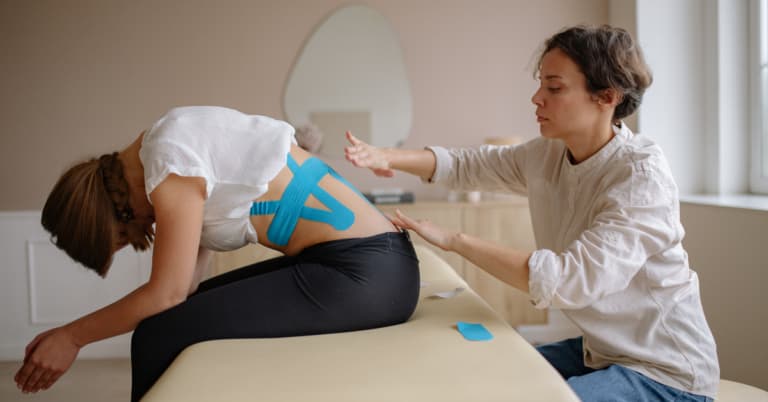
Manual therapy is often a central component of physiotherapy for knee pain, particularly in the early stages when reducing pain and restoring normal movement are the priorities. Techniques include joint mobilisation and manipulation of the knee and surrounding joints, soft tissue release of the muscles and fascia around the joint, and patellar mobilisation techniques for patients with patellofemoral pain.
In many cases, the hip and ankle contribute to knee pain even though they are not the primary site of symptoms. Stiff hip joints or restricted ankle mobility alter the mechanics of the whole lower limb and place increased stress on the knee during movement. A skilled physiotherapist at DC Physiotherapy in Clondalkin will assess and address these contributing areas rather than treating the knee in isolation, which is one of the key factors that differentiates effective physiotherapy from a generic approach.
Exercise Rehabilitation for Knee Pain
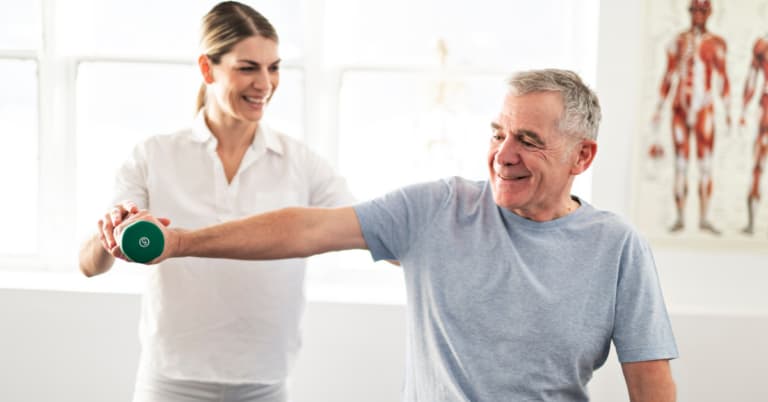
Exercise rehabilitation is the long-term foundation of recovery from most knee conditions. Once pain and inflammation are under control, a progressive loading programme builds the strength and movement capacity that reduces the risk of recurrence. Quadriceps strengthening is central to almost all knee rehabilitation, given the quadriceps’ role in controlling the forces passing through the joint during everyday activity and sport.
Hip strengthening exercises are equally important and are often underemphasised in generic knee programmes. The glutes and hip abductors control the alignment of the femur, and weakness here is a consistent finding in patients with patellofemoral pain, IT band syndrome, and other common knee conditions. At DC Physiotherapy, rehabilitation programmes are designed specifically for your diagnosis and goals, progressed based on your response, and explained clearly so you understand not just what to do but why each exercise matters.
Knee Osteoarthritis and Physiotherapy
Knee osteoarthritis is a degenerative condition involving the gradual wearing of cartilage within the joint and is one of the most common musculoskeletal complaints in adults over 50. While it cannot be reversed, the symptoms of knee osteoarthritis respond very well to physiotherapy, and exercise-based management is consistently recommended as the first line of treatment in clinical guidelines.
The evidence for physiotherapy in knee osteoarthritis is strong. Strengthening the muscles around the knee reduces the load passing through the joint during activity, which directly reduces pain and improves function. Many patients with moderate to severe osteoarthritis who commit to a structured physiotherapy programme achieve significant pain relief and functional improvement without the need for surgical intervention. At DC Physiotherapy, we work closely with patients who have osteoarthritis to manage their pain, improve their strength, and maintain their quality of life.
Returning to Sport After a Knee Injury
For active patients and athletes, returning to sport after a knee injury requires more than just waiting until the pain has gone. The neuromuscular patterns that control knee stability during high-demand movements need to be specifically trained before returning to training or competition, and returning too early before these are restored is one of the most common reasons for reinjury.
A sport-specific rehabilitation programme at DC Physiotherapy will address strength, single-leg stability, reactive control, and sport-specific movement patterns in a progressive sequence. Return to sport criteria are based on objective measures of strength and function rather than time alone, which gives you and your physiotherapist a clear and evidence-based picture of when you are genuinely ready to return without undue risk.
Preventing Knee Pain from Recurring
Once your knee pain has resolved, maintaining the strength and movement quality that protected the joint is the most reliable way to prevent a recurrence. A home exercise programme tailored to your needs, an understanding of load management principles, and awareness of the factors that contributed to your problem in the first place are the key ingredients in long-term knee health.
At DC Physiotherapy, we do not discharge patients as soon as their pain is gone. We make sure you have the knowledge and tools to keep it that way. If you are currently dealing with knee pain in Dublin or Clondalkin, book an assessment and get a clear picture of what is happening and what can be done about it.